
Open Skate, Stick and Puck, Pickup, or League: Which Hockey Format Is Right for You?
If you're new to adult hockey (or just new to your local rink), the lingo can get confusing fast. You see "open skate" on the schedule, then "stick and puck," then "drop-in pickup," then a half-dozen leagues with names that don't tell you much. What's the difference? Who's each one for? And which one should you actually show up to?
Whether you've never laced up before or you've been playing for years and are looking to add more ice time to your week, understanding the different formats of hockey will help you pick the right session for your skill level, your goals, and your schedule. Let's break down the four main types of hockey ice time you'll find at most rinks: open skate, stick and puck, pickup, and league play. Then we'll dig into the two main flavors of league hockey, because the difference between a team-based league and an individual draft-style league matters more than most people realize.
Open Skate: The Most Casual Ice Time
Open skate is exactly what it sounds like: the rink is open, and anyone can come skate. No sticks, no pucks, no contact, no organized play. Just skating.
Open skates are typically family-friendly sessions where you'll see a mix of little kids holding onto the boards, parents taking laps, teenagers showing off, figure skaters working on their edges, and yes, hockey players using the time to refine their skating without the distraction of puck handling. Most rinks run open skates as paid public sessions with a small admission fee, and rental skates are usually available if you don't own your own. Check out our Rink Directory to find your local rink. Then, visit their website for their open skate schedule.
This is the right format if you:
- Are brand new to ice skating and want to get comfortable on your blades before you ever pick up a stick
- Want to bring your family or non-hockey friends out for a fun, low-pressure outing
- Are a hockey player who wants extra time to work on edges, crossovers, transitions, and stops without traffic from other players
What open skate is not: it's not a place to bring a stick and puck. Most rinks strictly prohibit sticks during open skate sessions for safety reasons. If you want to handle a puck, you need stick and puck time.
Stick and Puck: Skill-Building, Solo or Small Group
Stick and puck is the next step up. It's a session where players bring their full hockey gear (or at least skates, helmet, gloves, and stick) and the ice is open for individual skill work. You'll see people doing skating drills, stickhandling through cones, taking shots on empty nets, working on one-timers with a buddy, or running through their own little practice plans.
Stick and puck sessions are usually unstructured. There's no coach, no drills assigned to you, no scrimmaging. It's just open ice for you to use however you want. Some rinks require full equipment, others just require a helmet with a cage or shield. Most sessions limit the number of skaters on the ice so it doesn't get too crowded, and they're typically priced as a drop-in fee.
A few key things to know about stick and puck:
- No goalies, usually. Some rinks allow goalies for an additional fee or a discounted rate, but you can't count on a goalie being there. Bring extra pucks and don't expect a game.
- No scrimmaging. Even if there are 10 skaters on the ice, stick and puck is not pickup hockey. People are working on individual skills and shooting on empty nets. Trying to start a game is bad etiquette and usually against the rink's rules.
- Skill levels are mixed. You might share the ice with a 9-year-old AAA player and a 55-year-old beginner. Be aware of your surroundings and skate accordingly.
This format is ideal for players who want to build skills, get extra reps, or break in new gear before a league game. It's also a great low-pressure environment for adult learn-to-play graduates who aren't quite ready for game situations but want to keep getting better.
Pickup Hockey: Drop In, Play a Game, Go Home
Pickup hockey (sometimes called drop-in hockey) is where things start to feel like real hockey. You show up, pay a drop-in fee, get assigned to a team, and play a game. Most pickup sessions are 60 to 90 minutes long, with running clock and casual line shifts. There's no coach, no refs, no scorekeeping, and no standings.
Pickup is the closest thing to "just play hockey" that you can get without committing to a full season. It's flexible, can be social, and it's a great way to meet other players in your area. For traveling players or busy adults who can't commit to a weekly league night, pickup is often the perfect fit.
A few things that make pickup distinct:
- Skill levels are usually divided. Most rinks and organizers run separate pickup sessions for beginners, intermediate, and advanced players. Showing up to the wrong level is frustrating for everyone, so be honest with yourself about where you fit.
- Goalies are typically included. Unlike stick and puck, pickup almost always has goalies. Some sessions offer free or discounted ice for goalies who commit to showing up regularly. Each organizer will decide if goalies play for free.
- No standings, no playoffs. Pickup is for the love of the game. You don't get a banner. You don't get a trophy. You get to play hockey.
- Etiquette matters. Because there are no refs and the rosters can change every session, pickup hockey runs on respect. Keep it clean, don't take slap shots from the point, and focus on a good game where everyone gets involved in the play and gets equal ice time.
If you're new to a city or just looking to expand your social circle, pickup hockey is one of the best ways to do it. Check out the pickup game listings to find a game near you.
League Hockey: Real Games, Real Teams, Real Standings
League hockey is the most committed form of recreational hockey. You sign up for a season (anywhere from 6 to 16 weeks), you're assigned to a team or join one, you have a regular game time each week, and you play a schedule that builds toward playoffs. There are refs. There are standings. There's a championship at the end. And depending on the league, there might even be jerseys with your name on the back.
League hockey is where most adult recreational players spend the majority of their hockey lives. It's structured, it's competitive (at the level appropriate for your skills), and it gives you a consistent group of teammates to play with week after week.
But here's where things get interesting: not all leagues are built the same. There are two main structures you'll encounter, and the difference between them shapes your entire experience.
Team-Based Leagues: Bring Your Own Squad
Historically, team-based leagues have been the traditional format. You and a group of friends, coworkers, or hockey acquaintances form a team, register together, pay your team fee, and play the season as a unit. You pick your own captain. You pick your own jerseys. You decide who's on your roster (within the league's rules). You build chemistry over weeks, months, and years of playing together.
Team-based leagues are great if:
- You already have a group of people you want to play with
- You value continuity and want to build long-term chemistry with the same teammates
- You like the feeling of a "team identity," with team names, traditions, and rivalries that develop over multiple seasons
- You want some control over your team's competitiveness (you can recruit better players, or keep things social, depending on your goals)
The downside is that if you don't have a team, getting into a team-based league can be tough. You either need to find a team that has a roster spot open (which sometimes means jumping into a group of strangers anyway) or you need to recruit enough players to form your own team from scratch. For new players, new residents, or anyone without an established hockey network, this can feel like a barrier.
Individual, Draft-Style Leagues: Sign Up Solo, Get Drafted to a Team
Draft-style leagues solve that problem. Instead of registering as a team, you register as an individual player. The league organizers (or in some cases, captains who've been recruited to lead teams) then run a draft to distribute players across teams as evenly as possible. You show up to your first game, meet your new teammates, and play the season together.
Draft-style leagues are designed for balance and accessibility. The whole point is that you don't need a hockey network to play. You just need to sign up. The league handles the rest.
This format is ideal if:
- You're new to a city or new to hockey and don't know enough players to form a team
- You want to meet new people and expand your hockey circle
- You value competitive balance — draft leagues tend to have more even matchups because the league actively works to distribute talent across teams
- You don't want the administrative headache of recruiting teammates, collecting fees, and managing a roster
The trade-off is that you have less control over who you play with. You might end up on a team with players you've never met, with skill levels that don't quite match your own, or with a captain whose style is different from yours. Most players find this is a feature, not a bug — it's how friendships and long-term hockey connections get made — but if you're someone who really wants to play with your specific friends, a team-based league might be the better fit.
Some leagues also run hybrid formats, where small groups of friends (two, three, or four players) can register together and be drafted as a unit, giving you the social benefit of playing with people you know while still leaving room for the league to balance teams. It's a smart middle ground, and it's becoming more common.
You'll also want to take the league's culture into consideration. Some team-based leagues have a reputation for being extra competitive and featuring overly aggressive players. Sometimes, when player stats are kept, teams focus on the standings and winning at all costs, adult players forget that there aren't scouts in the stands and everyone has to go to work in the morning.
So Which Format Is Right for You?
Here's the simplest way to think about it. If you're brand new to skating, start with open skate. Once you're comfortable on your edges and ready to handle a puck, move to stick and puck. When you're ready to play in game situations but not ready (or able) to commit to a full season, pickup hockey is your best friend. And when you want the full hockey experience — real teams, real games, real playoffs — find a league that fits your skill level and your social situation.
For most adult players, the sweet spot is a mix. A weekly league game for the structure and the standings, plus the occasional pickup session or stick and puck to get extra ice time. That's what makes adult hockey such a great sport: there's a format for every skill level, every schedule, and every kind of player.
Whatever you choose, the most important thing is to get out there. The hockey community is one of the most welcoming you'll find in any sport, and once you're in, you're in. We'll see you at the rink.
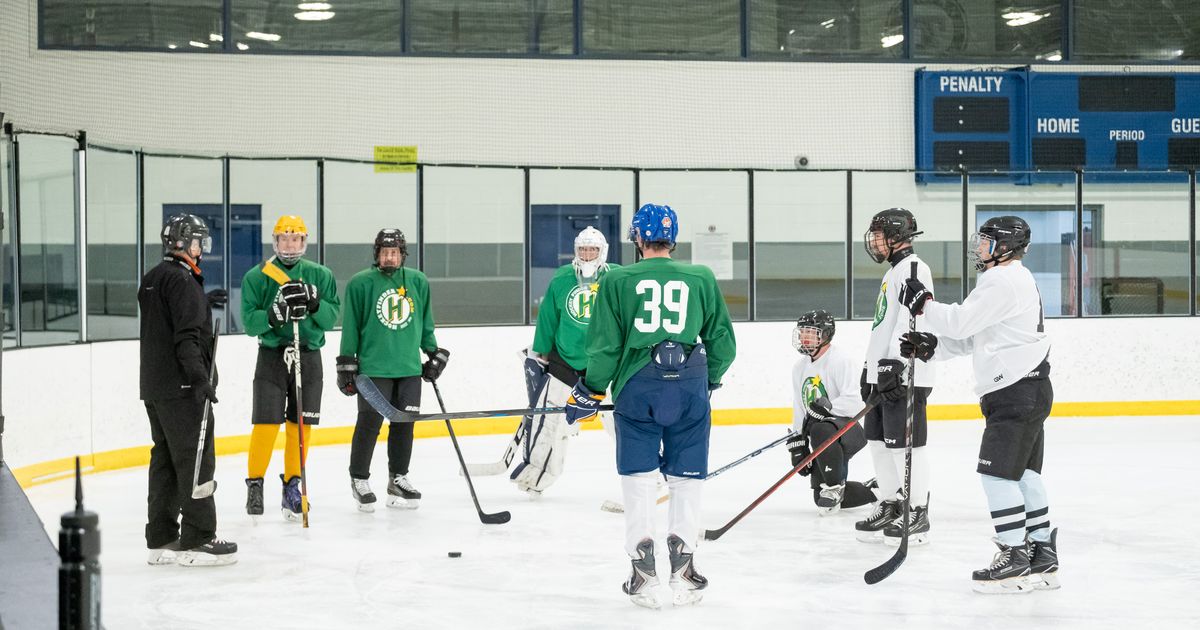
Never played hockey before? Hockey Finder's adult hockey beginner leagues make it easy to start. Fun, friendly, and social. Find a program near you.